The Rhythm of Kyoto's Old Timber Districts
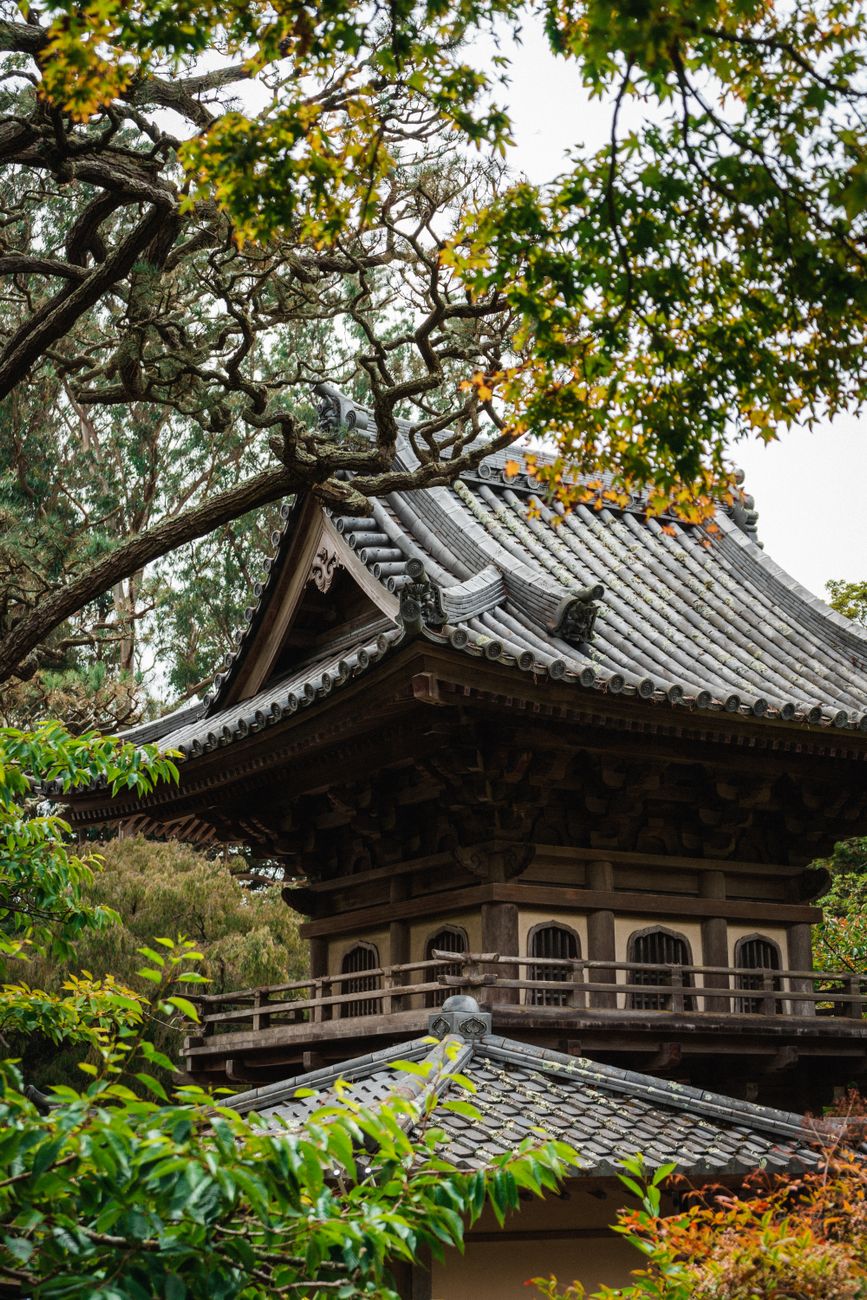
Table of Contents
Dawn in Higashiyama arrives without fanfares. The faint scraping of bamboo brooms against slate cobblestones precedes the morning sun, casting an amber radiance across low cypress eaves. Kyoto is not simply an archive of antiquity; it is an active testament to the persistence of wooden joinery in an era obsessed with transient steel and glass.
1. The Language of Cedar and Pine
Traditional Japanese carpentry, or daiku, functions entirely without nails. Interlocking joints adapt to subterranean shifts, thermal expansion, and humid summer winds. Walking through the narrow alleyways behind Yasaka Pagoda, one notices the deliberate patina: unvarnished wood that matures alongside the generations inhabiting it.
2. Machiya: The Living Geometry of Domesticity
The classic merchant townhouse, or machiya, was structured according to street-facing taxation codes. Narrow façades belie deep interior corridors extending toward hidden tea gardens. Here, sliding fusuma panels partition light and privacy, allowing cool cross-breezes to circulate when mountain humidity peaks in midsummer.
3. Internal Courtyards and Seasonal Shadows
The tsuboniwa—a micro courtyard often no larger than a tatami mat—functions as the thermal and aesthetic heart of the home. Ferns, raked granite sands, and hand-carved stone water basins (tsukubai) catch rainwater, transforming downpours into acoustic performance.
4. Practical Advice for the Discerning Explorer
We advise staying within restored historical accommodations rather than standard high-rise hotels. Walk during twilight when lantern oil fills the air, and patronize independent soba houses operating quietly since the Meiji restoration.